 Log in


spin the dog #

I'm still a believer in the promise of Web 2.0. The idea that giving people a curated space to chat produces tiny sparks of magic.
My wife Liz and I have been running the OpenBenches project for about 8 years - it's a crowd-sourced repository of memorial benches. People take a geotagged photo of a bench's plaque, upload it to our site, and we share it with the world. Might sound a bit niche, but we have around thirty-nine thousand benches catalogued from all over the world.
From the start, we had a comment form under each bench. Of course, we pre-moderate any comments. That helps with our Online Safety Act obligations and prevents spam from being published. We don't collect any personal data, to reduce our GDPR exposure. Our comments are self-hosted using the excellent Commentics - which means we don't send people's data off to a 3rd party.
We thought that this would be used to tell us that an inscription was wrong, or if a bench had moved, or something like that.
We were completely wrong!
People use OpenBenches comments for all sorts of things. Of course, there are a few which provide details about the bench itself:

Other provide a little context about the person:

But those sorts of comments are hardly the majority. The comments break down (roughly) into these categories:
I want to know more about this person

I sat on this bench, searched for the inscription and found this site. I want to share my feelings

Thank you for putting a bench here

This has moved me

My heart has broken

I can't visit this bench, but I'm glad someone has shared a photo

Thank you for adding a photo

I don't know the person this bench commemorates, but I want to let them know they're still loved and remembered

That's nice
Hundreds of people sharing connections. Wanting to express their feelings. Understanding the terrible pain of loss and the hope that, someday, someone will think fondly of us.



We use our hands to sculpt, our eyes to scan, our ears to catch patterns. Why have we flattened ourselves to live in flat screens and text inputs?

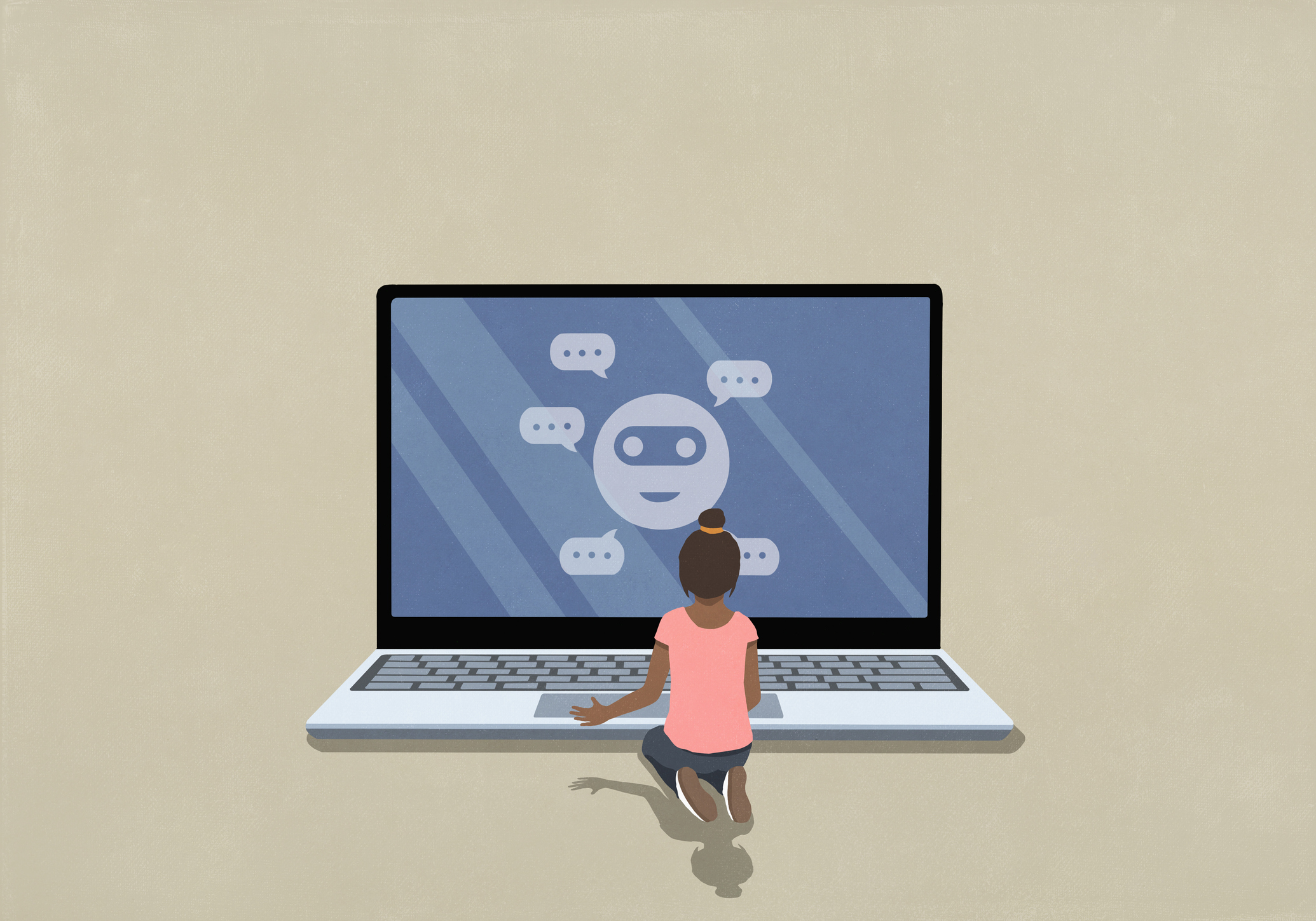


Every time you are inclined to use the word “teach”, replace it with “learn”. That is, instead of saying, “I teach”, say “They learn”. It’s very easy to determine what you teach; you can just fill slides with text and claim to have taught. Shift your focus to determining how you know whether they learned what you claim to have taught (or indeed anything at all!). That is much harder, but that is also the real objective of any educator.
— Shriram Krishnamurthi, Pedagogy Recommendations
Tags: teaching

Prepare for That Stupid World
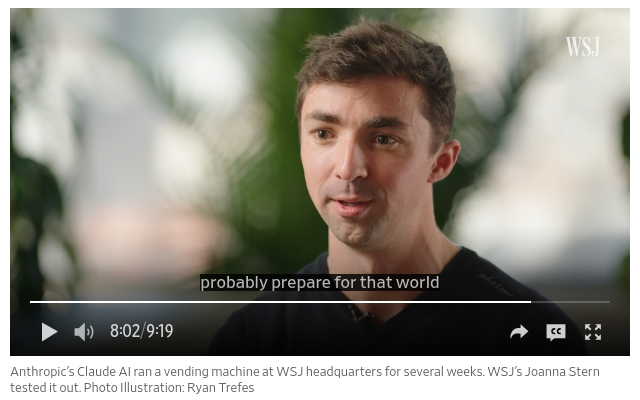
You probably heard about the Wall Street Journal story where they had a snack-vending machine run by a chatbot created by Anthropic.
At first glance, it is funny and it looks like journalists doing their job criticising the AI industry. If you are curious, the video is there (requires JS).
But what appears to be journalism is, in fact, pure advertising. For both WSJ and Anthropic. Look at how WSJ journalists are presented as "world class", how no-subtle the Anthropic guy is when telling them they are the best and how the journalist blush at it. If you are taking the story at face value, you are failing for the trap which is simple: "AI is not really good but funny, we must improve it."
The first thing that blew my mind was how stupid the whole idea is. Think for one second. One full second. Why do you ever want to add a chatbot to a snack vending machine? The video states it clearly: the vending machine must be stocked by humans. Customers must order and take their snack by themselves. The AI has no value at all.
Automated snack vending machine is a solved problem since nearly a century. Why do you want to make your vending machine more expensive, more error-prone, more fragile and less efficient for your customers?
What this video is really doing is normalising the fact that "even if it is completely stupid, AI will be everywhere, get used to it!"
The Anthropic guy himself doesn’t seem to believe his own lies, to the point of making me uncomfortable. Toward the ends, he even tries to warn us: "Claude AI could run your business but you don’t want to come one day and see you have been locked out." At which the journalist adds, "Or has ordered 100 PlayStations."
And then he gives up:
"Well, the best you can do is probably prepare for that world."
None of the world class journalists seemed to care. They are probably too badly paid for that. I was astonished to see how proud they were, having spent literally hours chatting with a bot just to get a free coke, even queuing for the privilege of having a free coke. A coke that cost a few minutes of minimum-wage work.
So the whole thing is advertising a world where chatbots will be everywhere and where world-class workers will do long queue just to get a free soda.
And the best advice about it is that you should probably prepare for that world.
I’m Ploum, a writer and an engineer. I like to explore how technology impacts society. You can subscribe by email or by rss. I value privacy and never share your adress.
I write science-fiction novels in French. For Bikepunk, my new post-apocalyptic-cyclist book, my publisher is looking for contacts in other countries to distribute it in languages other than French. If you can help, contact me!
Next Page of Stories